


Why Is the Michigan Summer Humidity Making Your Dry Eye and Allergy Symptoms Worse?
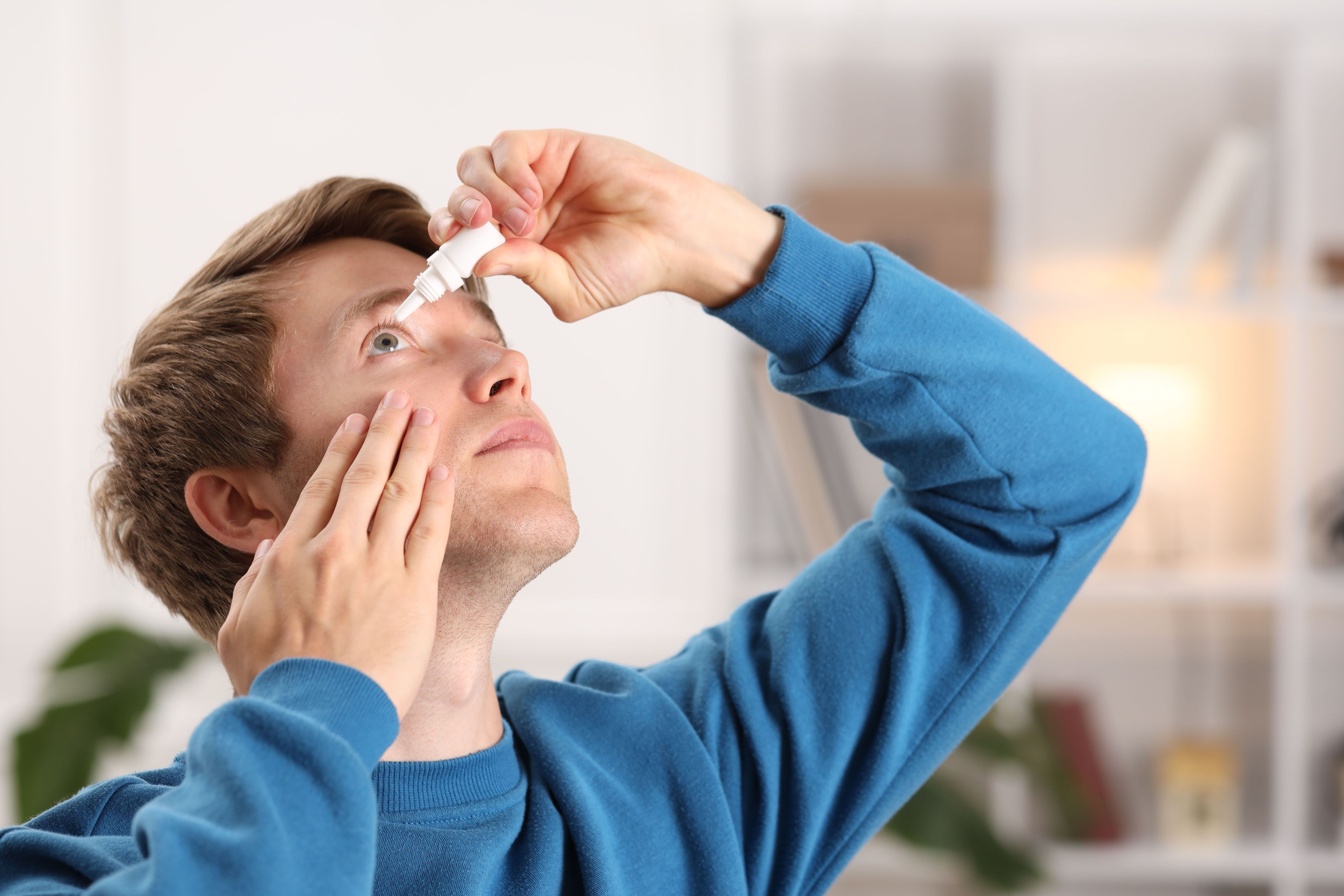
Michigan summers can bring warm air, high humidity, pollen, grass, mold, and sudden weather changes. For many patients in Hamburg Township, that mix can make dry eye and allergy symptoms feel worse at the same time. If your eyes feel itchy, gritty, watery, red, or tired during the summer, it may not be just seasonal irritation. Your tear film and ocular surface may be struggling to stay balanced.
At Livingston EyeCare Associates, dry eye and allergy-related eye care helps patients understand what is causing discomfort and how to protect their vision through the summer months.
Why Humidity Can Still Trigger Dry Eye
Many people assume dry eye only happens in dry weather, but humidity can still make symptoms flare. Warm, humid air can increase exposure to pollen, mold spores, and airborne irritants. These particles can settle on the eye surface and eyelids, leading to inflammation and discomfort.
Indoor environments can make the problem worse. Air conditioning removes moisture from the air, and fans or vents can cause tears to evaporate faster. For patients in Hamburg Township who move between humid outdoor air and cool indoor spaces, the eyes may feel unstable throughout the day.
How Allergies And Dry Eye Overlap
Dry eye and allergies can feel similar, which makes it hard to know what is really going on. Allergies often cause itching, watering, redness, and swelling. Dry eye usually causes burning, stinging, grittiness, blurry vision, or a tired feeling.
However, the two conditions can happen together. Allergies can inflame the surface of the eye, while dry eye can make the eyes more sensitive to pollen and irritants. When both are present, symptoms may feel stronger and last longer than expected.
Common Summer Eye Symptoms
If your symptoms keep returning, it may be time to schedule an eye exam instead of guessing which drops to use.
Common signs include:
- Itchy, red, or watery eyes
- Burning, stinging, or gritty sensations
- Blurry vision that changes with blinking
- Light sensitivity during outdoor activities
- Swollen or irritated eyelids
- Contact lens discomfort
- Eye fatigue after screen use
- Symptoms that worsen after mowing, gardening, or being outdoors
These symptoms can interfere with driving, reading, working, and enjoying summer activities around Hamburg Township.
Why Over-The-Counter Drops May Not Be Enough
Artificial tears or allergy drops may help temporarily, but they do not always address the underlying problem. Some allergy drops may also increase dryness for certain patients, especially when used too often or without guidance.
A professional eye exam can help determine whether symptoms are caused by allergies, dry eye disease, eyelid inflammation, tear film instability, or another eye health issue. This matters because the right treatment depends on the cause.
What A Dry Eye And Allergy Evaluation Can Show
During an evaluation, your optometrist can examine the tear film, eyelids, eye surface, and overall eye health. They may also ask about your symptoms, contact lens wear, screen habits, outdoor exposure, medications, and seasonal triggers.
At Livingston EyeCare Associates in Hamburg Township, the goal is to create a care plan that supports clearer, more comfortable vision. Depending on your needs, recommendations may include lubricating drops, allergy management, eyelid hygiene, environmental changes, contact lens adjustments, or additional dry eye care.
How To Reduce Summer Eye Irritation
Small changes can help reduce daily flare-ups. Wear sunglasses outdoors to block wind and pollen, wash your hands and face after being outside, avoid rubbing your eyes, and keep windows closed when pollen counts are high. If you use air conditioning, avoid sitting directly under vents or fans.
Contact lens wearers should be especially careful during allergy season. Pollen and debris can cling to lenses, making eyes feel dusty or irritated. If your contacts are uncomfortable, your optometrist may recommend a different lens type or wearing schedule.
When To Schedule An Eye Exam
If your dry eye and allergy symptoms are frequent, worsening, or affecting your comfort, schedule an exam. You should also seek care if you have eye pain, thick discharge, light sensitivity, sudden blurry vision, or symptoms in one eye more than the other.
Schedule your dry eye and allergy eye care evaluation with Livingston EyeCare Associates at 10105 Veterans Memorial Dr., Suite 100, Hamburg Township, MI 48189. Call (810) 231-5800 to book your appointment.


Monday 10:00 AM - 05:00 PM
Tuesday 10:00 AM - 06:00 PM
Wednesday 10:00 AM - 05:00 PM
Thursday 10:00 AM - 06:00 PM
Friday 10:00 AM - 05:00 PM
Saturday Closed
Sunday Closed
© 2026 Livingston Eye Care Associates. All Rights Reserved. Accessibility Statement - Privacy Policy - Sitemap
Powered by: 